


Editor’s note: In a previous edition of Caring for Kids, we introduced you to the LCCS Independent Living caseworkers and advocates who work directly with youth ages 14-18. This article explores how that LCCS team prepares some 200 teens for young adulthood and beyond.
Teens live in a lot of different settings in Lucas County—with foster or kinship caregivers, in group homes, and, in some cases, residential treatment facilities.
But the goal is always the same in working with teens: to help prepare them to live their best life in young adulthood.
Many will emancipate into young adulthood and live on their own after turning age 18 and graduating high school. Some teens, for one reason or another, may just not be ready yet—and stay with LCCS until the age of 21.
Whatever the case, each youth receives individual assessments and evaluations to tailor their Independent Living care plan to best fit their needs and personal goals.
Best practices are always used. LCCS regularly assesses teens using the Casey Life Skills (CLS) questionnaire, developed by Casey Family Programs. The assessment tool contains 100+ questions that measure nine functional areas of a teen’s life, such as daily living, self-care, career and education planning, relationships and communication. There is a different CLS tool to assess teens living with developmental disabilities.
That is just a beginning. LCCS further assesses a teen’s mental health, cognitive functioning, and other factors that could affect whether the youth can meet normal teen milestones, such as learning to drive, gaining employment, and graduating high school.
Beyond that requires getting a teen to open up about other difficulties or barriers to success he or she may be facing. That requires building a relationship of trust with the teen by LCCS staff. That can present a whole host of challenges based on a teen’s background and trauma they’ve experienced in their young lives.
“We are, in many cases, the first consistent, safe, and trusted adult they’ve ever known,” said Amy Cox, LCCS Independent Living supervisor.
In some cases, that means LCCS staff play a role in a teen’s life somewhere between teacher, mentor and surrogate parent. That evolving role is what Amy calls “other duties as necessary.” That role also is tailored to each individual student’s living situation, and developmental or cognitive abilities.
LCCS staff and community partners work with teens in developing skills: soft skills, such as study habits, goal-setting, healthy boundaries, and relationships, all the way up to key life skills, such as cooking, cleaning, and laundry.
As a teen gets older, the skills building becomes more intense and future-focused. Much of it is focused on their employability—showing up on time, filling out job applications, job interviewing, teamwork, problem-solving. LCCS staff even assists with FAFSA and college applications when needed.
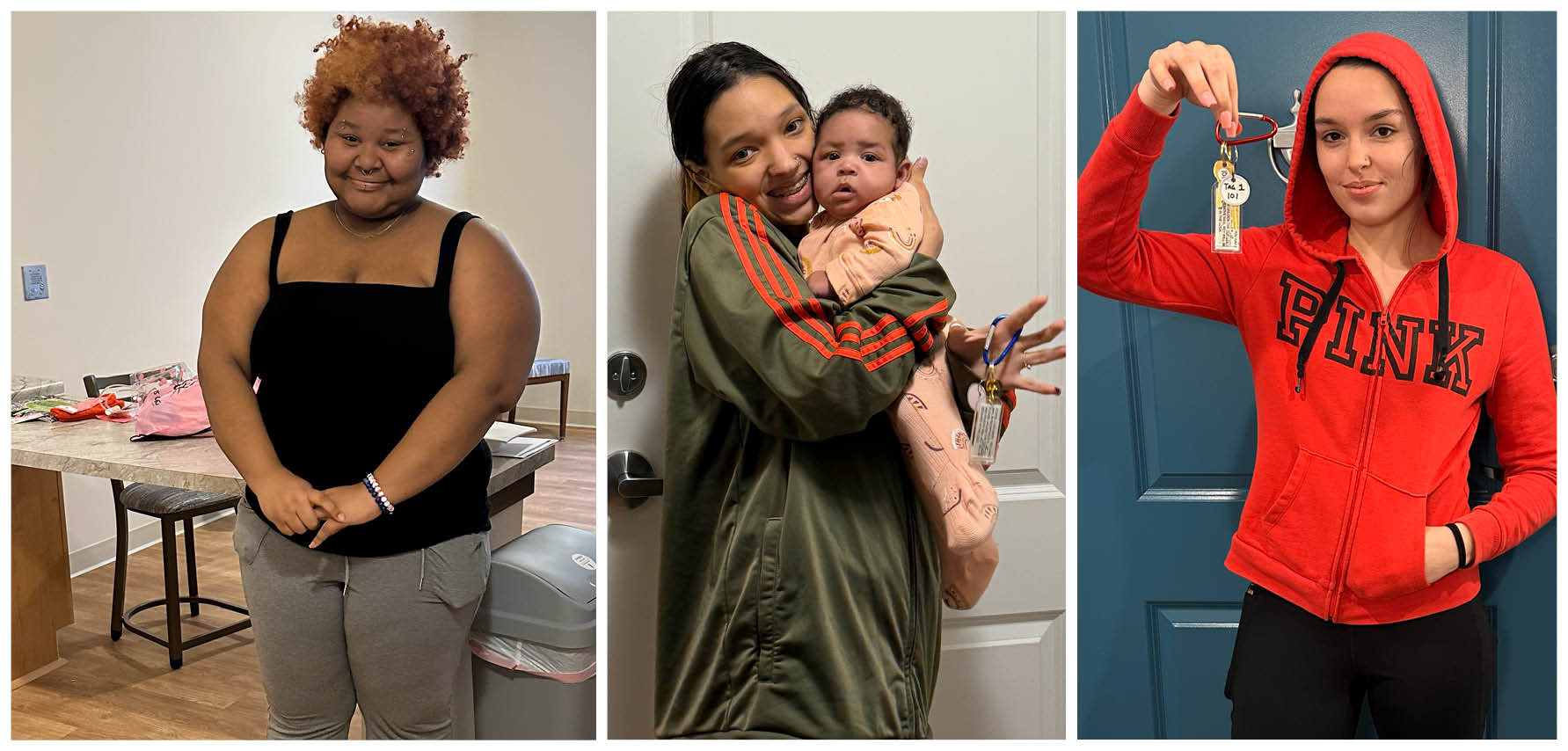
The ultimate goal is to prepare them for young adulthood, so they successfully “emancipate to something,” whether that’s higher education, the workforce, the military, an apprenticeship, or some other opportunity.
But emancipation is only one more mile marker on the long and winding road into young adulthood. The hope is there is a “warm handoff” waiting to a partner or program to best serve each individual teen.
Young people leaving LCCS care are often at different levels of development in their transition to adulthood.
Many will enroll in Bridges, a voluntary benefits program with the intended outcome of helping eligible emancipated young adults gain skills for self-sufficiency. Bridges provides an eligible emancipated young adult assistance with stable housing, support to complete educational goals, employment resources, and access to community resources.
Some teens will opt to remain under agency supervision until age 21—in situations that can include foster care, a supervised independent living arrangement, or the provision of transitional living services— while they continue working on educational or vocational goals and further develop their independent living skills and transition to independence. In those instances, LCCS has a post-emancipation caseworker who mentors those young adults.
More informally, local nonprofit community partner Love and Luggage hosts monthly dinners for post-emancipation youth living on their own, along with housing and living supports, mentoring, and coaching on navigating community services.